
Newsletters

Reduce the Risk California Gun Violence Prevention Convening
Only 100 Seats — Register Now for the California Gun Violence Prevention Convening, September 25
Ten years. One room. One day to shape what comes next.
Registration is now open for the Reduce the Risk California Gun Violence Prevention Convening in Sacramento. Hosted by the California Governor’s Office of Emergency Services, the statewide convening commemorates the 10th anniversary of California’s landmark Gun Violence Restraining Order (GVRO) law while bringing together the professionals and partners advancing its impact. If you work on gun violence prevention in California, this is a unique opportunity to connect with the people shaping the field.
For one day, leaders from law enforcement, behavioral health, prosecution, the courts, survivor advocacy, and community organizations will come together to share what’s working, strengthen the partnerships that make GVROs effective, and help shape the next decade of gun violence prevention. You’ll leave with practical tools, new statewide connections, and fresh insight into where the field is headed.
Only 100 seats are available. Reserve yours today.
Date: Friday, September 25, 2026
Time: 9:00 AM – 4:30 PM
Location: Sacramento, CA (exact location provided upon registration)
Cost: Free — breakfast and lunch provided
Registration Closes: Friday, September 11, 2026 or once capacity is reached
Protection Orders Are Stopping Campus Violence Before It Starts
Warning signs almost always come first. In four of five school shootings, at least one person knew the attacker’s plan ahead of time, but didn’t report it. That gap between knowing and acting is exactly where protection orders save lives.
Gun Violence Restraining Orders (GVROs) and Postsecondary School Violence Restraining Orders (SVROs) give campus communities a concrete way to intervene. These tools temporarily remove firearms from a person in crisis before warning signs become a tragedy. The results are measurable. In the first three years of California’s GVRO law, these orders helped stop 58 threatened mass shootings, that is 58 times someone recognized the danger and acted in time.
Acting early matters because the damage from gun violence, and the bullying that can escalate into it, follows students for years:
- After a school shooting, the use of medications to treat acute trauma, including antidepressants and antipsychotics rose by more than 25%.
- Students who survive shootings are less likely to graduate, enroll in college or earn a degree and go on to report lower earnings in their mid-20s.
- About 1 in 3 California teens report being bullied or harassed.
- Students who have been bullied face nearly 3.6 times the odds of attempting suicide.
Laws alone don’t prevent violence, people do. And you may have more power to act than you realize. Educators can be eligible to file GVROs, and postsecondary educators and campus officials can request SVROs to intervene early.
As students and faculty head back to campus, put these tools to work: learn the warning signs, know your options and act before a crisis escalates.
- Postsecondary School Violence Restraining Order (SVRO) Fact Sheet (English)
- Postsecondary School Violence Restraining Order (SVRO) Fact Sheet (Spanish)
- Fact Sheet for Educational Institutions (English)
- Fact Sheet for Educational Institutions (Spanish)
Find all these resources and many more at www.reducetherisk.ca.gov/community-resources/.
Youth Are Leading the Way in Gun Violence Prevention
Young people aren’t waiting on the sidelines of gun violence issues, they’re helping lead the fight to end it. Across California, youth voices are turning lived experience, rigorous research and a clear vision for safer communities into real solutions.
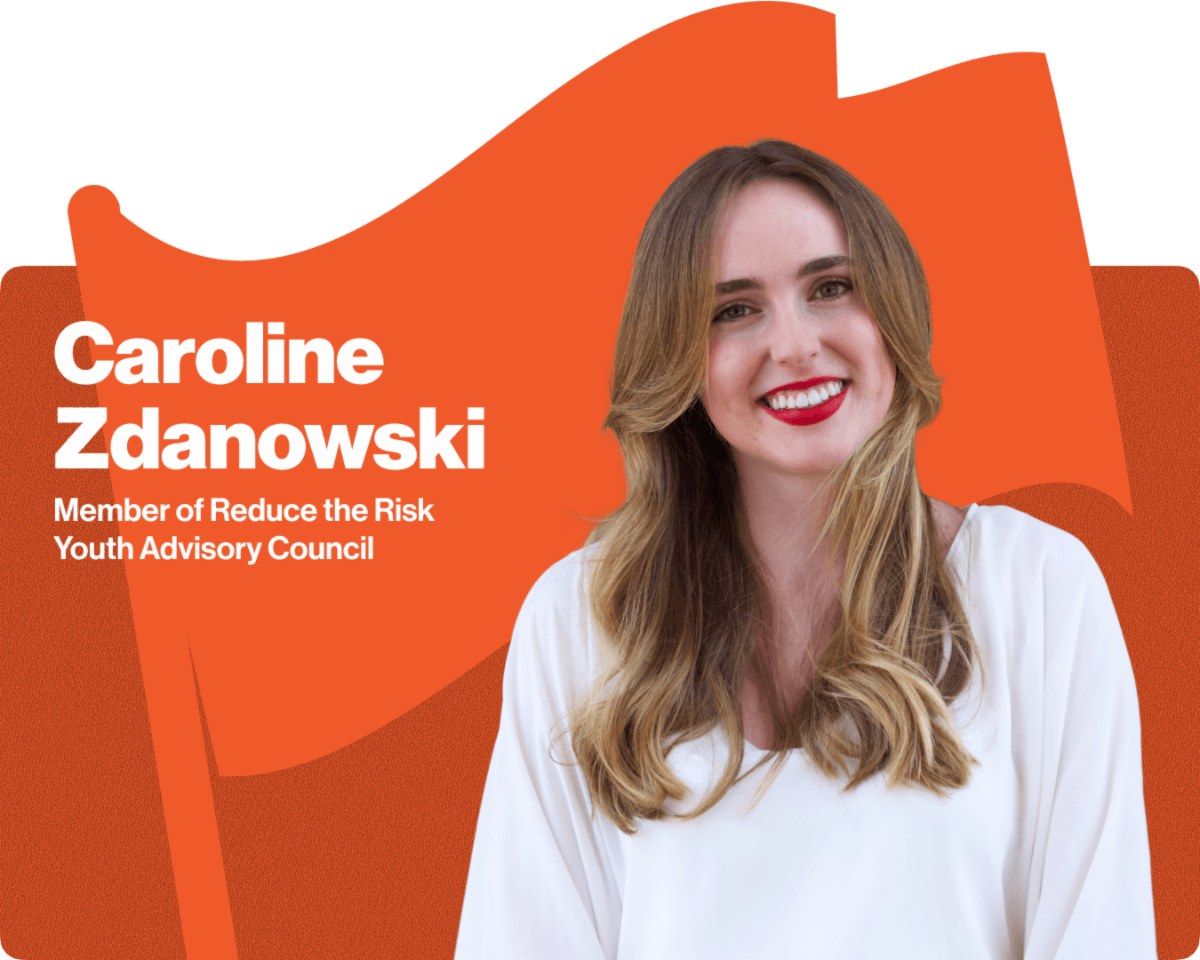
Reduce the Risk Youth Advisory Council Member Caroline Zdanowski is a case in point. Alongside her colleagues in her graduate public policy program, Caroline researched and published a report on youth gun violence, the kind of work that turns firsthand insight into actionable policy.
Their findings make one thing clear: no single intervention stops violence on its own. Real prevention means tackling the root causes that put communities at risk, such as poverty and disinvestment, while building up the programs, partnerships and resources that let communities act before harm occurs.
Reduce the Risk is doubling down on this approach. By putting youth voices and youth-led research at the center of our work, we’re advancing prevention that elevates community expertise and invests in people first.
Read Caroline and her colleagues’ research HERE.
Educators Are the First Line of Prevention
Warning signs usually come before violence and no one is better placed to catch them than educators, faculty and campus staff. Students and families trust these adults, which means teachers and campus leaders have a real opportunity to act early by noticing changes in behavior, listening when a student raises a concern and connecting people in crisis with tools that prevent harm.
That trust is well documented:
- 63% of adults trust public school teachers.
- 87% of college students trust their professors.
- 4 in 5 teens who turn to their teachers for mental health support say they trust the adults at their school to provide it.
Reduce the Risk is turning that trust into readiness. Our protection order training program partners with educational organizations to provide free, practical training that equips campuses to keep students and staff safe. This summer we trained with the Imperial County Office of Education. Here’s what their Director of Safety and Wellness took away:
“The Reduce the Risk Protection Order training was excellent. It was clear, effective, and something I’d recommend to anyone responsible for school and community safety. My background spans law enforcement and school safety, and even with experience petitioning for and enforcing protection orders, this training gave me valuable added context and practical tools. Whether the concern involves students, staff, or community members, protection orders can be an important intervention to reduce the risk of future violence.”
— Alvaro Ramirez, Director of Safety and Wellness, Imperial County Office of Education